When Play Becomes More Than Just Play
As our cities become denser, the spaces in which children grow up are changing. Natural open areas are becoming increasingly rare—replaced by intentionally designed play environments. Yet modern playgrounds are far more than places with swings and slides: they serve as social hubs, support child development, and create quality spaces for entire communities. Inclusive, creative, and individually designed play areas are now the standard.
At the same time, playgrounds are evolving into immersive experience spaces. In theme parks, zoos, and tourist destinations in particular, they have become an integral part of the overall visitor experience. It’s no longer just about individual play equipment, but about staging, storytelling, and atmosphere. Themed worlds are extended through play, making visits more engaging and memorable.
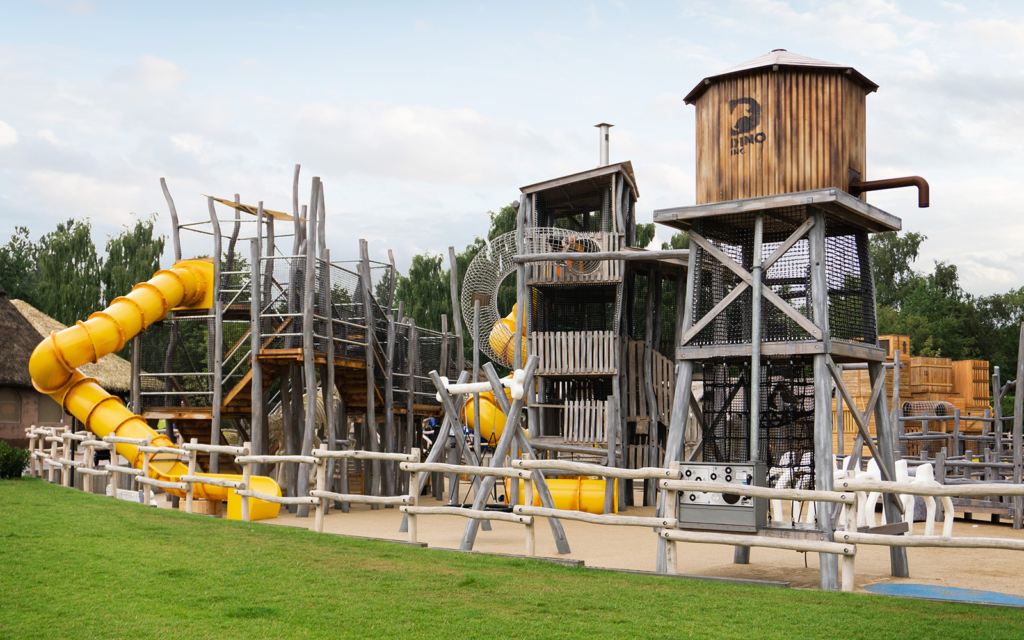
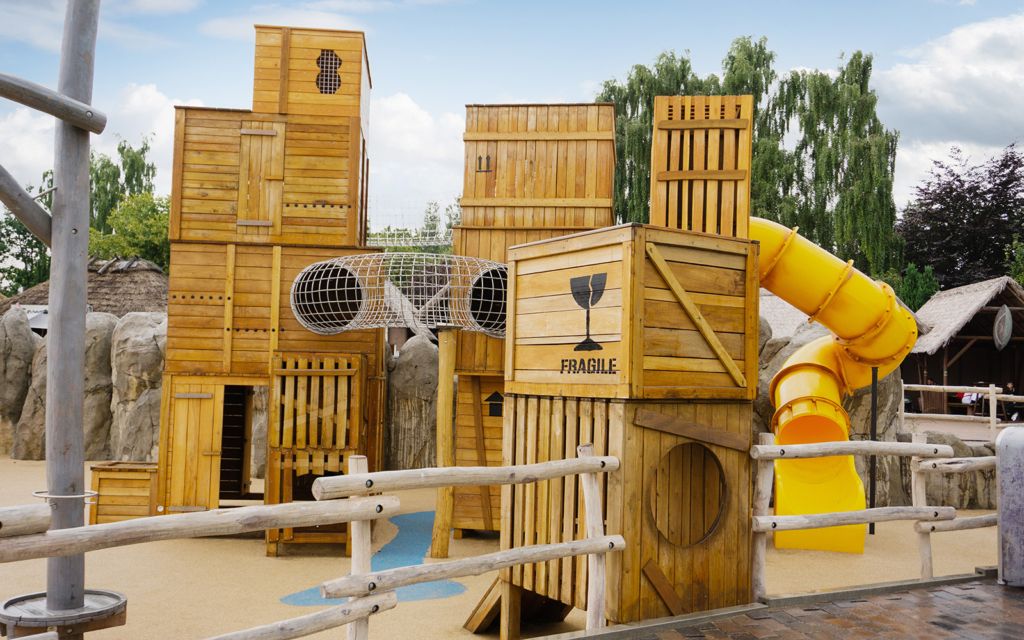
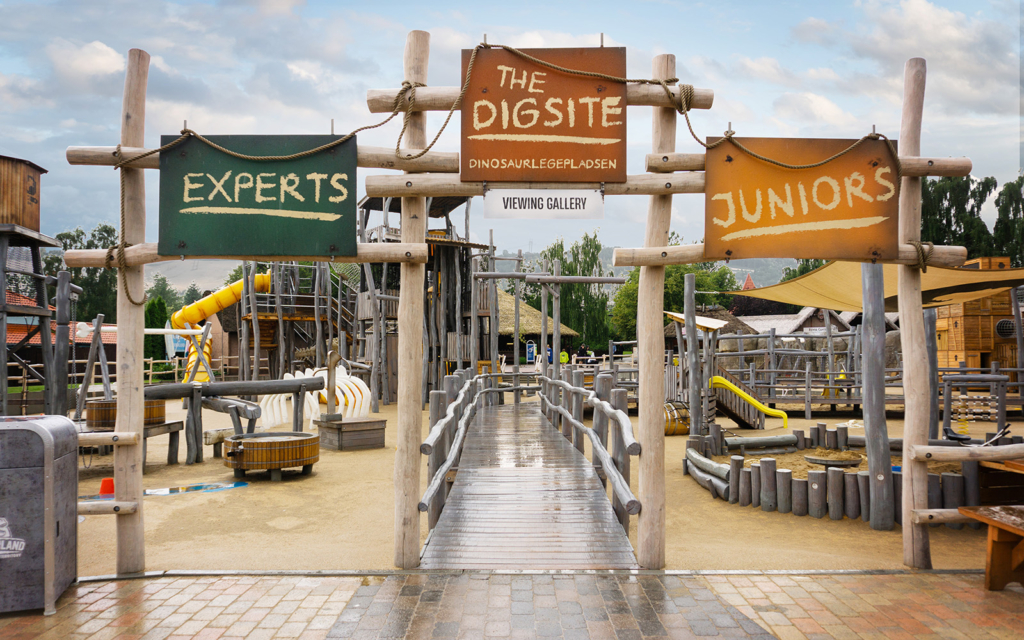
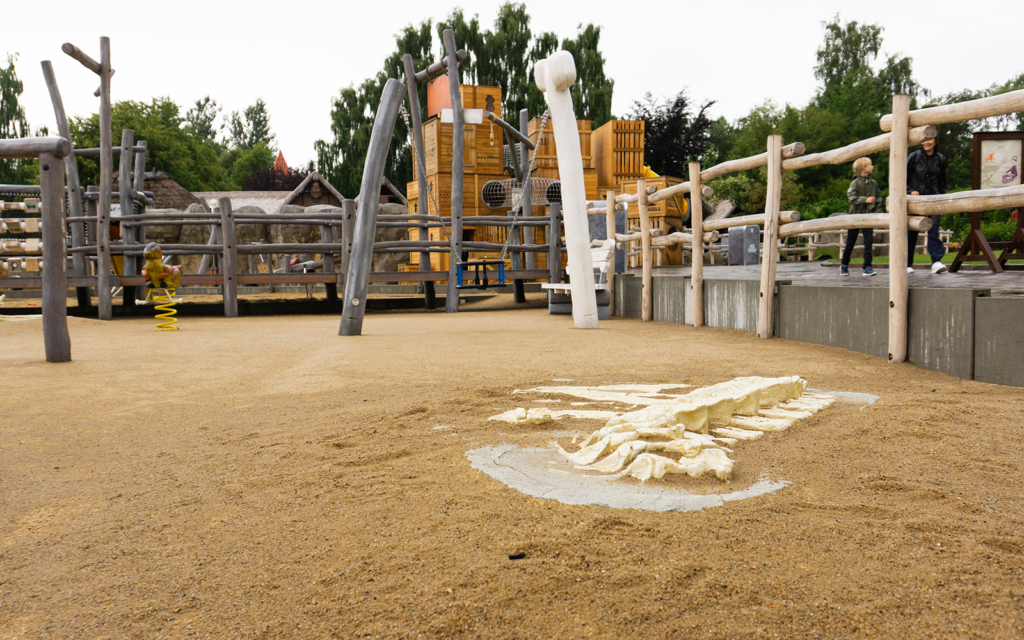
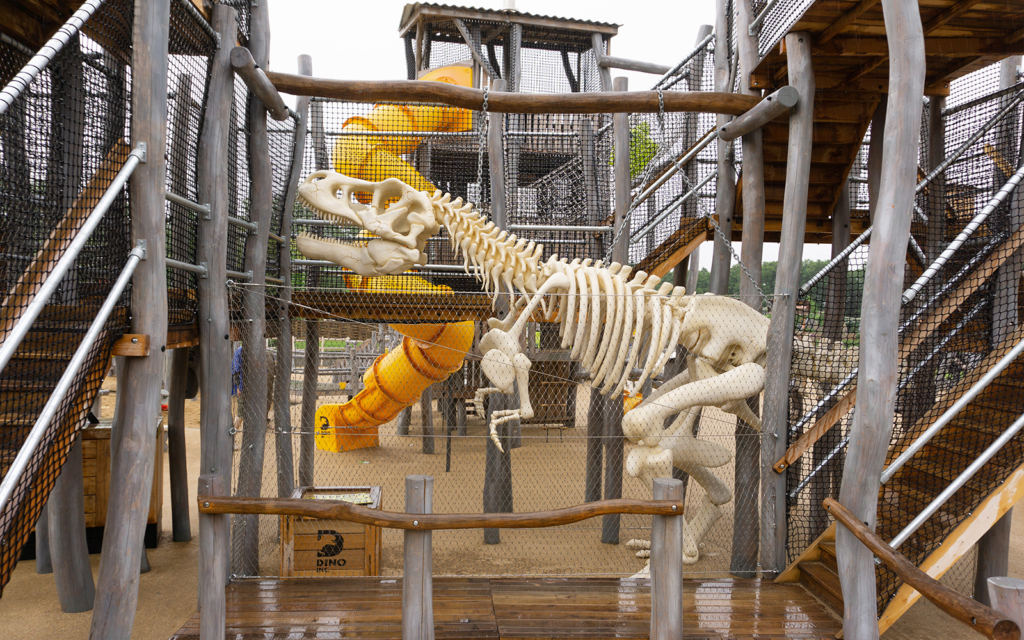
A strong example is Djurs Sommerland, where the Dinosaur Land has been expanded with a themed adventure playground that seamlessly continues the existing world. Children can dig for fossils, climb, and immerse themselves in imaginative role play—surrounded by a vividly staged prehistoric setting. The playground itself becomes an attraction, increasing the time visitors spend in the park.
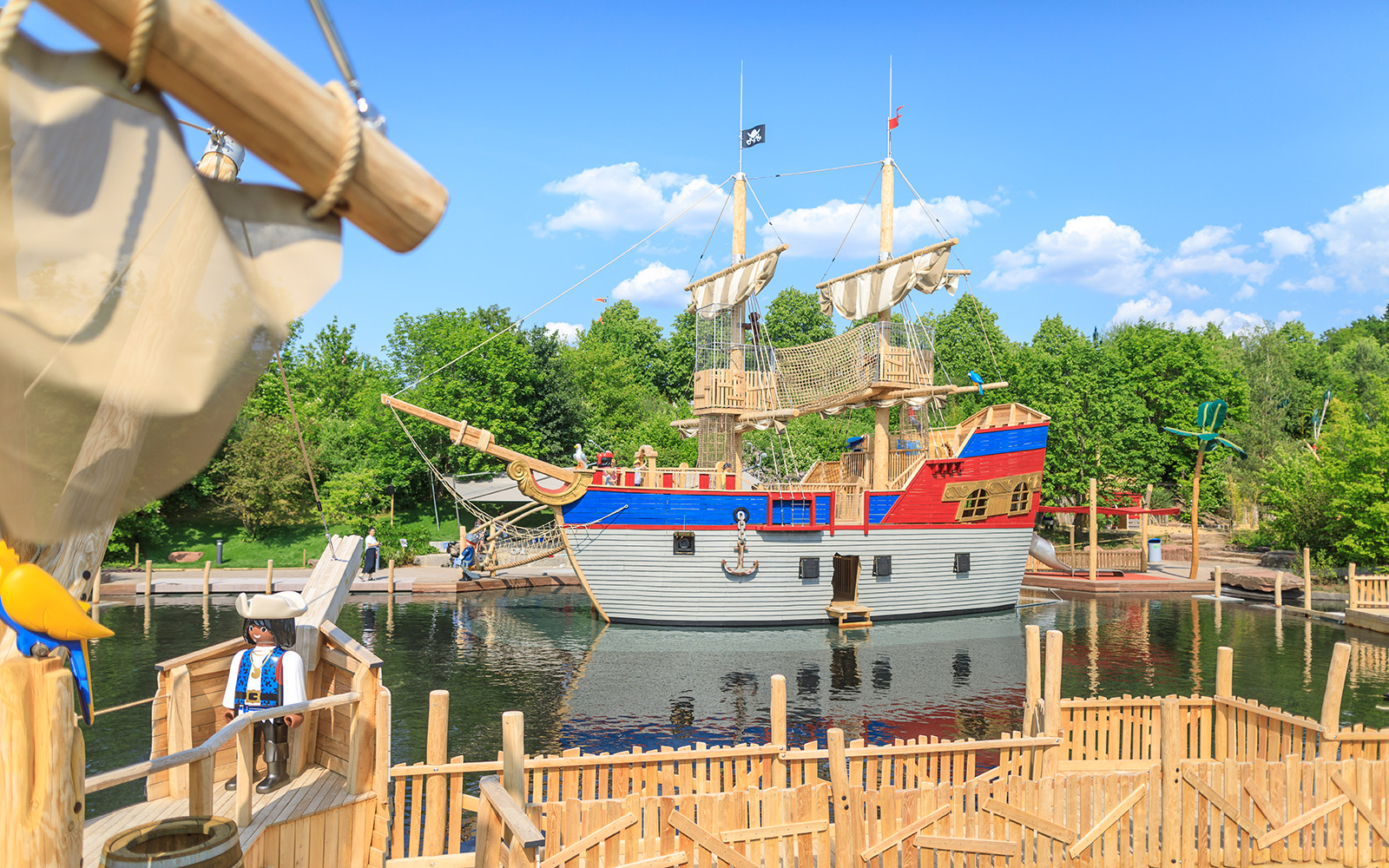
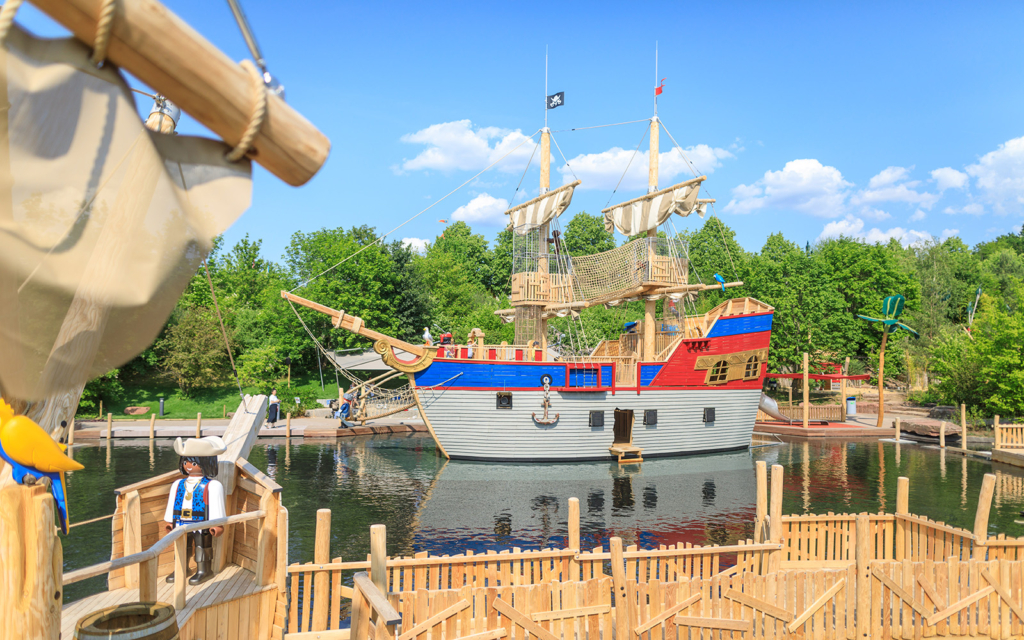
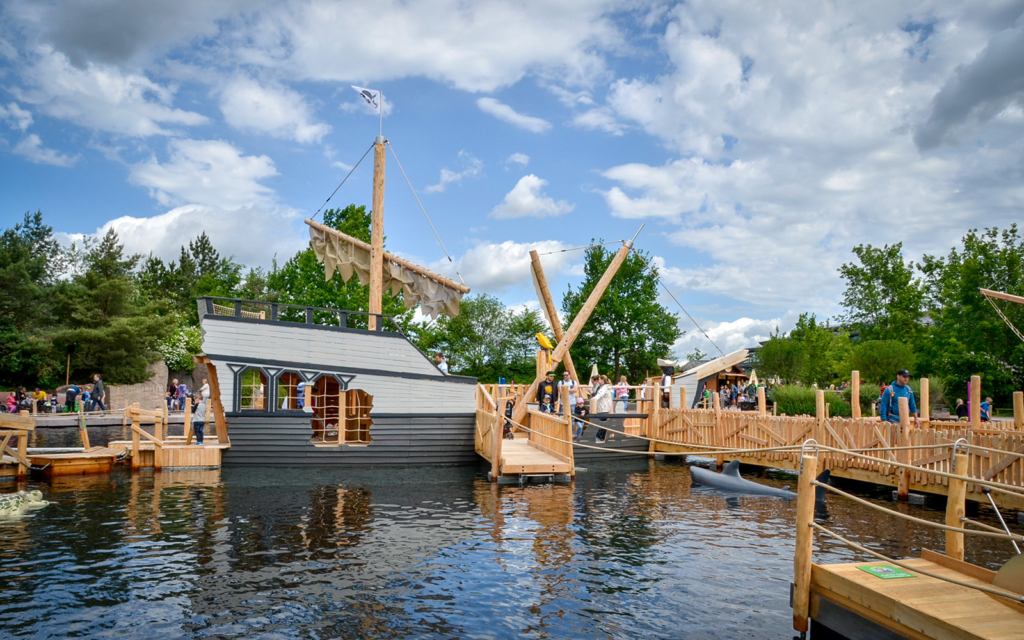
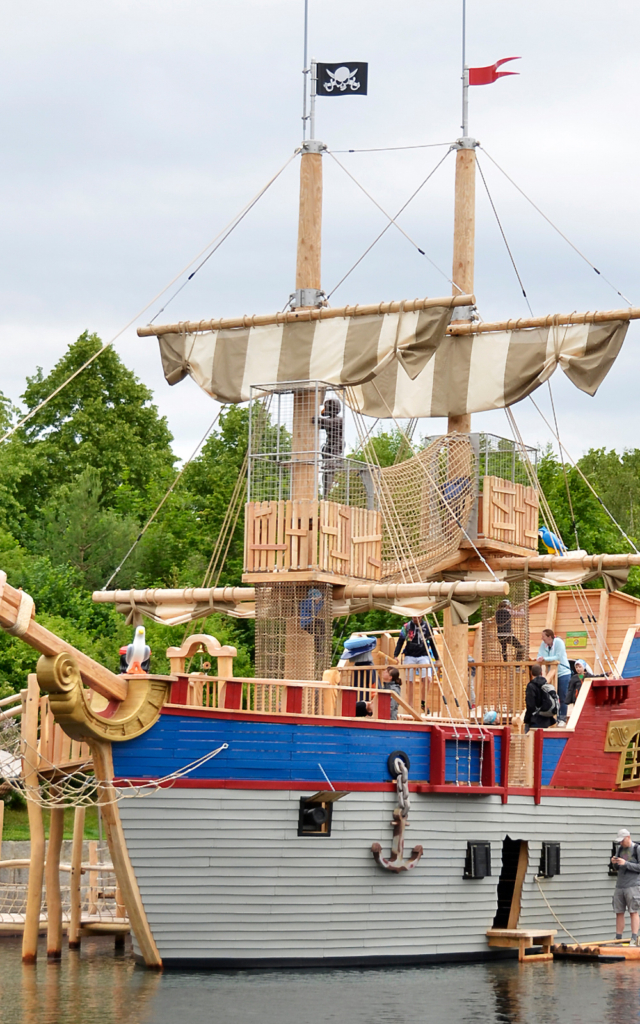
The Playmobil FunPark demonstrates how powerful themed play environments can be. Familiar play scenarios are transformed into walk-in worlds. In the Pirate Bay, for example, children steer rafts, engage in water battles, and actively step into their fantasy roles. The combination of familiarity and physical experience creates a particularly intense form of play.
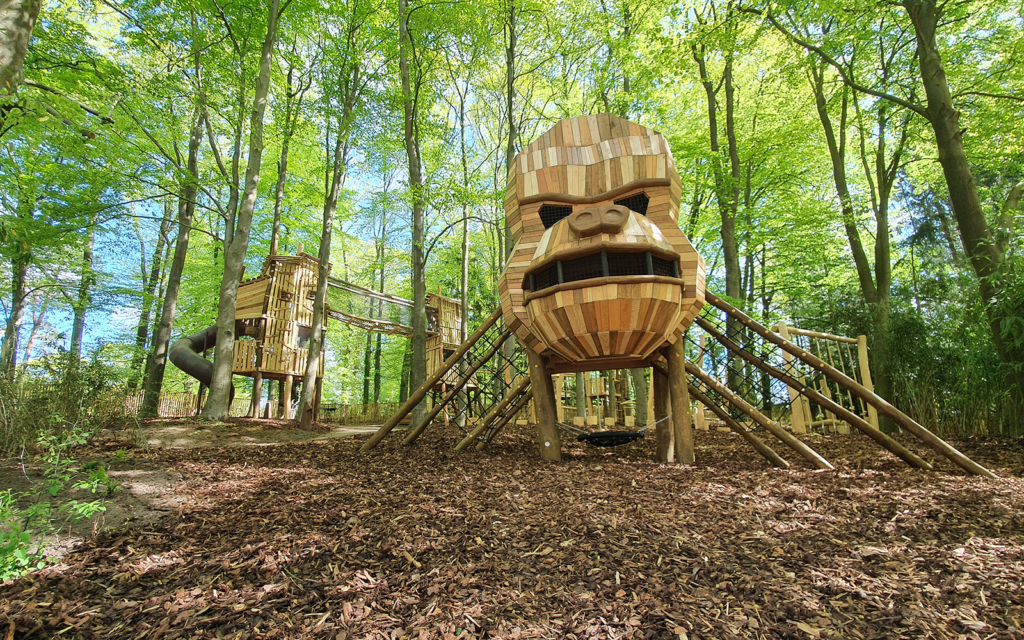
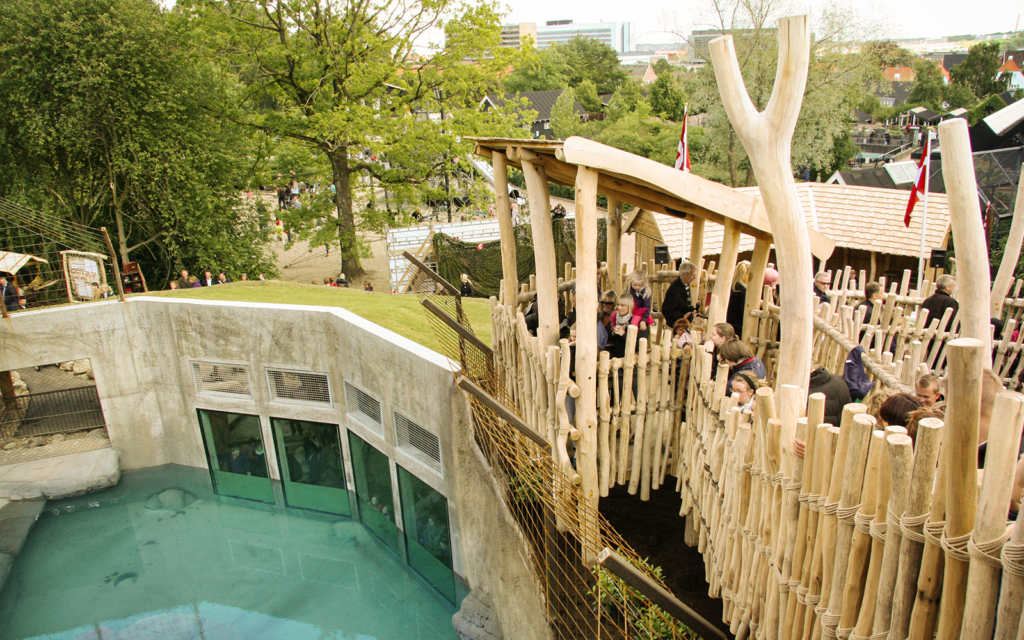
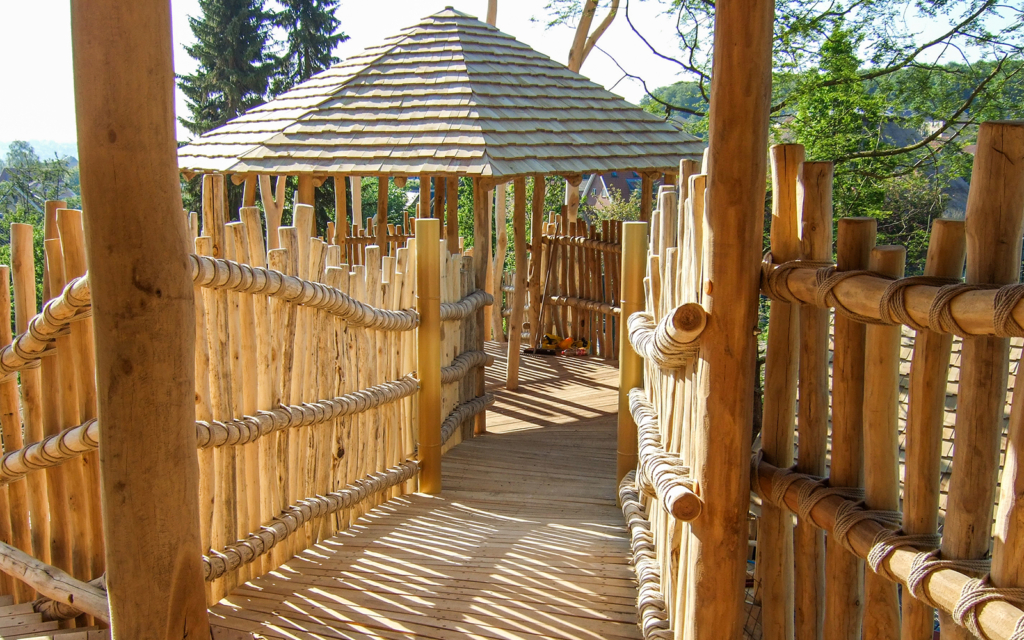
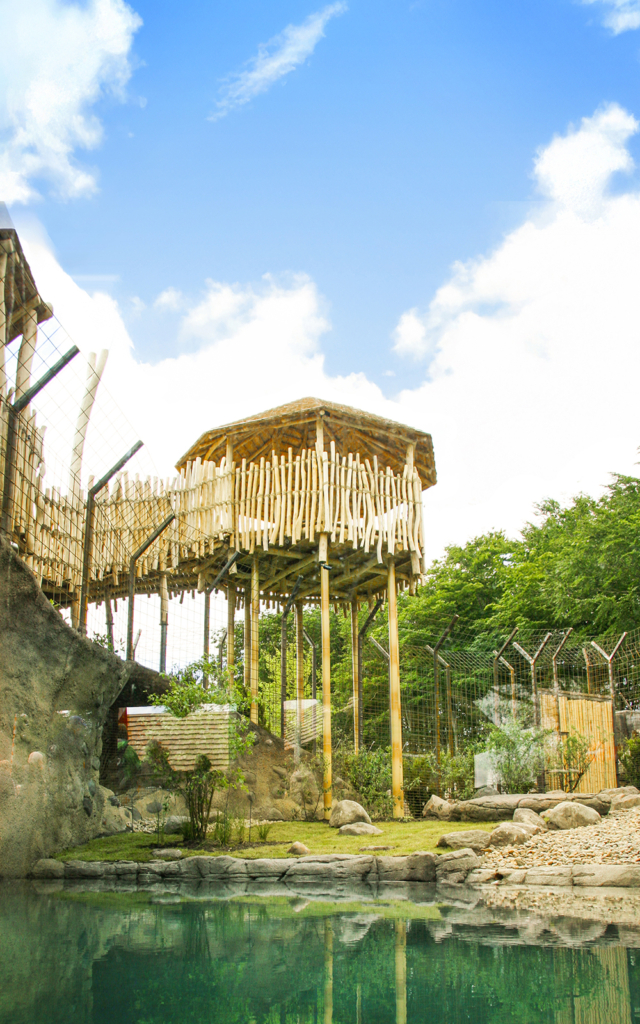
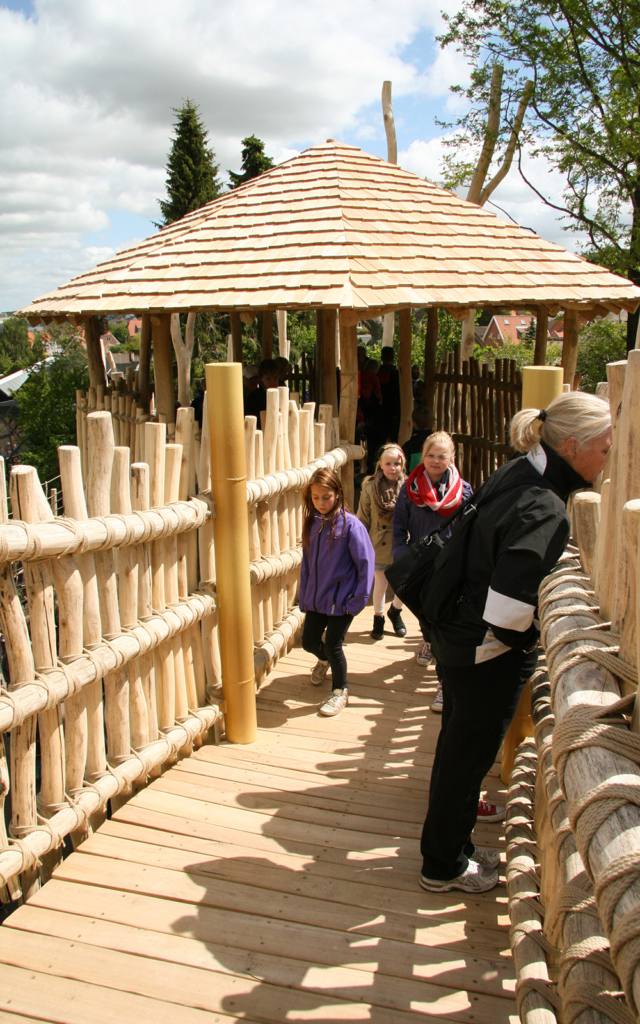
Zoos take a different approach, focusing on balancing animal welfare with visitor experience. At Aalborg Zoo, nature-inspired walkways and platforms offer new perspectives on animals without disturbing their habitats. At Apenheul Primate Park, play areas are designed to make animal behavior tangible—children move like primates and learn about their way of life through active play.
For operators, playgrounds have become a strategic asset: they strengthen brand identity, increase dwell time, and foster emotional connections. What matters is not size, but a well-conceived overall concept that continues the story of a place.
Modern play spaces combine play, learning, and experience. They create environments where people connect, memories are formed, and communities grow. Because regardless of age or background, one thing remains true:
Play is the common language.